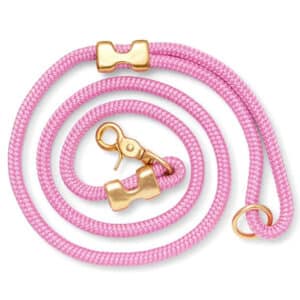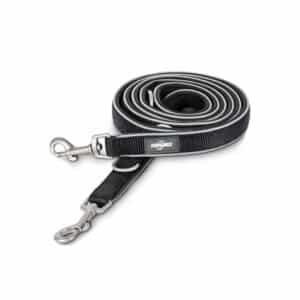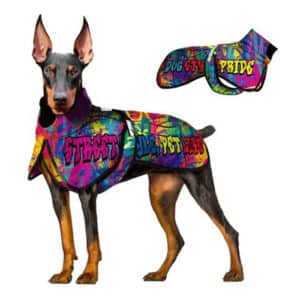
Choosing the right dog harness is no longer a minor accessory decision — it is a welfare, safety, and comfort issue backed by veterinary research. This guide walks pet parents, breeders, trainers, and B2B buyers through the science, sizing math, material specs, and selection criteria needed to choose a dog harness with confidence, not guesswork.
Why the Dog Harness Has Replaced the Collar as the Default Choice
For decades, the flat collar was the default walking tool. That has changed. A 2021 survey cited in veterinary literature found that 82.7% of dog owners report their dogs pulling on the leash during walks — and pulling against a collar concentrates force directly on the trachea, cervical spine, and jugular veins.
The clinical evidence against collar-only walking is now substantial:
- A controlled study measuring intraocular pressure (IOP) found that leash tension applied through a collar raised IOP by a mean of 7.4 mmHg (a 51.6% increase, statistically significant at P=0.001), while the same tension applied through a harness raised IOP by only 2.3 mmHg (a 15.8% increase, not statistically significant, P=0.088).
- A 2025 study published in Veterinary Medicine and Science recorded that the lowest measured collar pressure on dogs (83 kPa) exceeded the pressure known to cause tissue damage and necrosis in humans (4.3 kPa) by a wide margin — nearly 19 times higher.
- The same research linked collar use to tracheal collapse risk, particularly in small brachycephalic breeds such as Pugs and Chihuahuas.
- Population data shows the scale of relevance: an estimated 13 million dogs are kept as pets in the UK, and roughly 69 million U.S. households report owning a dog — meaning harness selection affects tens of millions of daily walks.
This is the core reason a properly fitted dog harness is now the standard recommendation from veterinary ophthalmologists, especially for dogs with glaucoma, thin corneas, brachycephalic airway syndrome, or a history of neck injury.
The 5 Core Types of Dog Harnesses (And Who Each One Is For)
Not every harness for dogs serves the same purpose. Selecting the wrong category is the single most common buyer mistake.
1. Back-Clip Harness
The leash attaches at the top of the shoulders. Ideal for calm dogs, small breeds, and daily neighborhood walks. It offers minimal steering control, so it is not recommended for dogs that pull hard.
2. Front-Clip (No-Pull) Harness
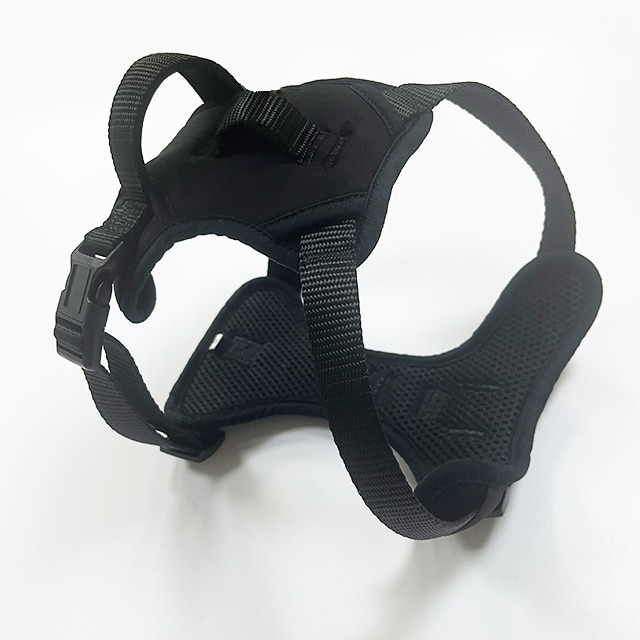
The D-ring sits on the chest. When the dog pulls forward, the harness gently redirects the dog sideways toward the handler, reducing forward momentum. This design is the most commonly recommended no-pull dog harness style by professional trainers for dogs in the 40–90 lb range that pull moderately to heavily.
3. Dual-Clip Harness
Combines front and back D-rings, allowing a double-ended leash for maximum control during training. Preferred by professional trainers and rehabilitation specialists.
4. Step-In Harness
The dog steps into two leg openings and the harness clips at the back. Fast to put on, but offers the least adjustability — best suited to small, cooperative dogs.
5. Vest / Padded Harness
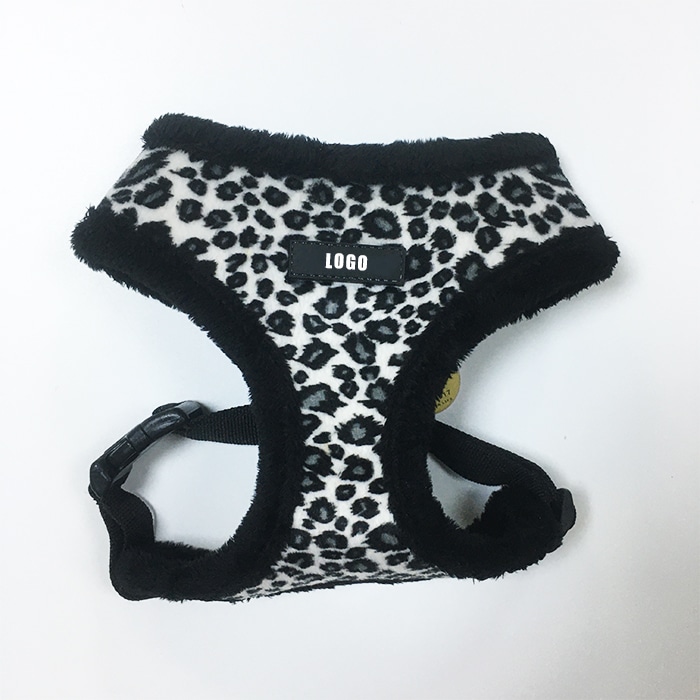
Wide, padded straps distribute pressure across a larger surface area of the chest and torso. Best for dogs with respiratory sensitivity, senior dogs, or breeds prone to tracheal issues, since it lowers pressure-per-square-inch compared to narrow-strap designs.
Dog Harness Sizing: The Data-Driven Method
Sizing errors cause the majority of harness returns and the majority of chafing complaints. Use measurements, not weight ranges alone, since weight-to-size charts vary as much as 15–20% between breeds of identical weight due to differences in chest depth and rib cage shape.
Step-by-step measurement protocol:
- Girth (chest circumference): Measure around the widest part of the rib cage, roughly 1–2 inches behind the front legs. This is the single most important measurement — it should account for roughly 70% of fit accuracy.
- Neck circumference: Measure at the base of the neck, where a collar would normally sit.
- Back length: Measure from the base of the neck to the base of the tail, relevant for full-coverage or step-in styles.
- Weight cross-check: Use weight only as a secondary confirmation, never the primary variable.
Fit tolerance rule: A properly fitted dog harness should allow exactly two fingers to slide flat between the strap and the dog’s body — roughly a 1–1.5 inch (2.5–4 cm) gap. Anything tighter risks chafing and restricted movement; anything looser increases the risk of the dog backing out, which trainers estimate occurs in 1 out of 3 poorly fitted harnesses during a sudden startle response.
| Dog Weight | Typical Girth Range | Recommended Harness Size |
|---|---|---|
| 5–15 lbs (2.3–6.8 kg) | 14–19 in (35–48 cm) | XS–S |
| 16–40 lbs (7.3–18 kg) | 18–26 in (46–66 cm) | S–M |
| 41–70 lbs (18.6–31.8 kg) | 24–32 in (61–81 cm) | M–L |
| 71–100+ lbs (32.2–45.4+ kg) | 30–40+ in (76–102+ cm) | L–XL |
Material and Construction: What Actually Matters
A durable dog harness is judged on four measurable factors, not marketing copy:
- Webbing strength: Look for nylon webbing rated at a minimum breaking strength of 800–1,200 lbs for medium-to-large breeds; lighter 300–500 lb webbing is acceptable only for dogs under 20 lbs.
- Hardware load rating: Metal (not plastic) D-rings and buckles rated for at least 3x the dog’s body weight in pull force are the professional-grade standard used by working-dog and service-dog harness manufacturers.
- Padding density: Neoprene or foam padding of at least 3–5mm thickness at pressure points (chest and underarm) measurably reduces friction-related skin irritation during extended wear.
- Stitching pattern: Box-stitched or bar-tacked seams at stress points outperform straight-line stitching by a significant margin in pull-force durability testing.
Professional Buyer Checklist (Retailers, Groomers, Trainers, Wholesalers)
For professional buyers sourcing at volume — pet retailers, dog daycare operators, trainers building a client-facing product line — the evaluation criteria shift toward consistency and liability reduction:
- Adjustment points: A minimum of 4 adjustable straps (chest, girth, and both sides) is the professional baseline for accommodating a range of body types within one size label.
- Certification and testing data: Request breaking-strength and stitch-pull test reports from manufacturers before bulk ordering; verbal assurances are not sufficient for liability purposes.
- Escape-resistance rating: For daycare, boarding, or shelter use, prioritize dual-clip or martingale-style harnesses, since single-clip back harnesses have a measurably higher slip-out rate.
- Return rate as a KPI: Industry sourcing data shows harnesses account for a disproportionate share of returns compared to leashes and collars combined, almost always tied to sizing — a strong argument for offering detailed size charts and video fitting guides at point of sale.
- Reflective and high-visibility elements: For nighttime safety compliance, reflective stitching or piping should meet a visibility threshold of roughly 150–450 feet under headlight conditions.
Common Fitting Mistakes That Undermine Safety
- Placing the girth strap too far back, near the belly instead of directly behind the front legs, which shifts pressure onto the ribs instead of the sternum.
- Over-tightening to prevent escape instead of choosing the correct size, which restricts shoulder movement and can alter gait over time.
- Ignoring brachycephalic-specific needs: flat-faced breeds benefit from wider chest plates that avoid pressure near the throat and upper airway, given their documented sensitivity to restraint-related respiration changes.
- Skipping the “startle test”: before regular use, professionals recommend simulating a sudden pull to confirm the dog cannot back out of the harness.
Final Recommendation Framework
When selecting a dog harness, weigh these four factors in order:
- Fit precision (girth measurement over weight estimate)
- Purpose (daily walking vs. no-pull training vs. professional/service use)
- Material load rating relative to the dog’s size and pulling strength
- Breed-specific health considerations, particularly for brachycephalic and senior dogs
A harness chosen through this framework — rather than by price or appearance alone — measurably reduces the welfare risks associated with collar-based restraint, while giving pet parents and professional buyers alike a defensible, data-backed purchasing decision.